

Routed vs On-Demand Courier: Which Delivery Model Is Best for Your Business?
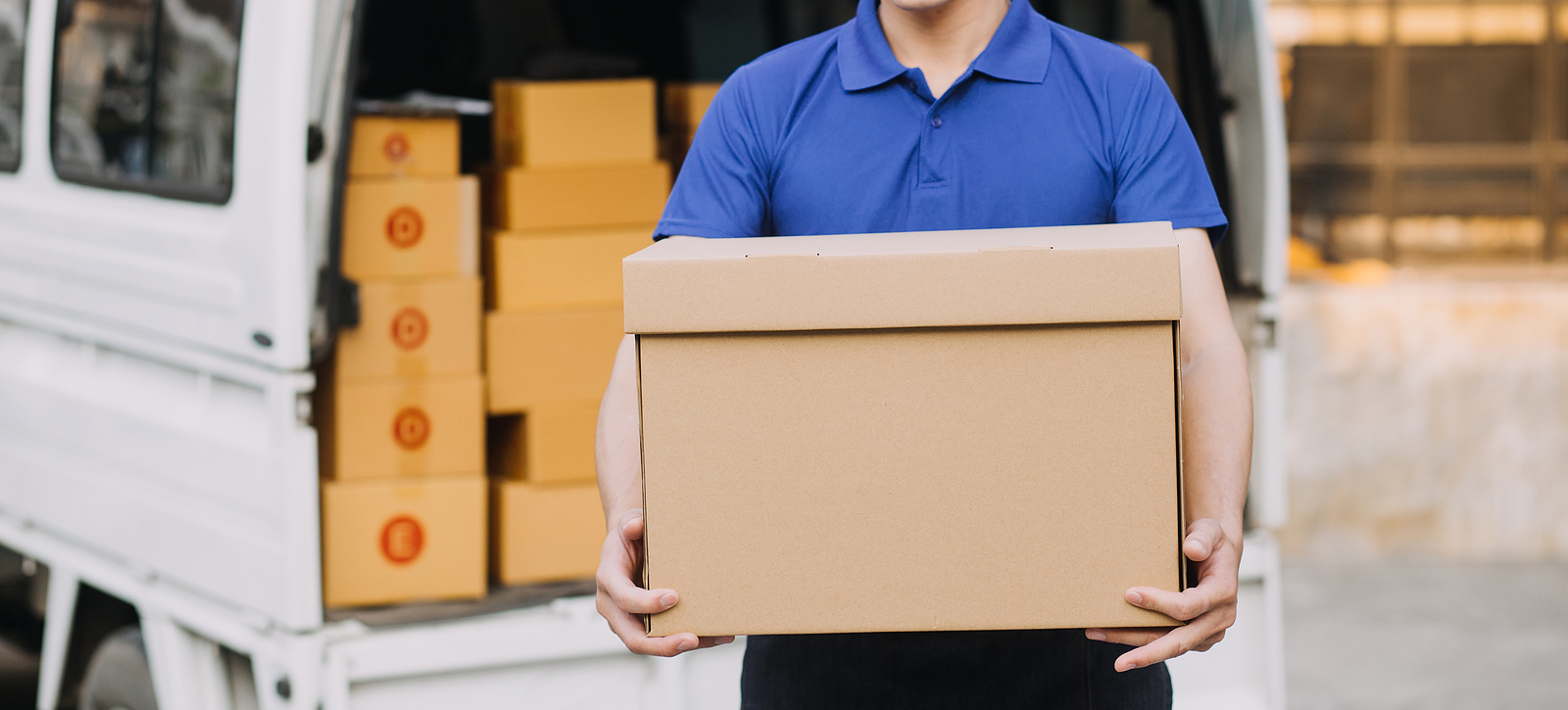
Many businesses rely on courier services daily, but not all delivery models are created equal. While on-demand courier services are ideal for urgent shipments, routed delivery services offer a powerful solution for companies with recurring logistics needs.
Understanding the difference between these two delivery strategies can help your business reduce costs, improve efficiency, and streamline operations.
If your company regularly sends packages, documents, medical supplies, or products, this guide will help you determine whether routed delivery or on-demand courier services are the right fit.
What is an on-demand courier service?
An on-demand courier service is exactly what it sounds like: deliveries requested as needed. Businesses call for a courier when an urgent shipment arises and requires immediate pickup and delivery. This model is commonly used for:
- Urgent legal filings
- Medical specimen transport
- Last-minute business shipments
- Emergency parts delivery
- Same-day customer deliveries
On-demand courier services are designed for speed and flexibility, making them ideal for time-sensitive deliveries that cannot wait for scheduled routes.
Businesses often rely on same-day courier services when deadlines are tight, and reliability is critical.
What Is Routed Delivery Service?
Routed delivery, also called scheduled courier service, is a recurring logistics solution where deliveries follow a predetermined route and schedule.
Instead of placing individual delivery requests, businesses create a consistent delivery plan that runs daily, weekly, or multiple times per day. Routed delivery is commonly used for:
- Interoffice mail and package transport
- Medical lab specimen routes
- Pharmacy and healthcare deliveries
- Bank and financial document transport
- Retail and e-commerce restocking
- Warehousing and distribution support
This model provides predictability, cost efficiency, and scalability for organizations with ongoing delivery needs.
Routed Delivery vs On-Demand Courier: Key Differences
Understanding the differences helps businesses choose the most efficient logistics strategy.
1. Delivery Frequency
On-Demand Courier:
Used occasionally or for urgent shipments.
Routed Delivery:
Designed for daily, weekly, or recurring deliveries.
If your business ships items regularly, routed delivery is often more efficient.
2. Cost Efficiency
On-demand services are priced per delivery. While ideal for urgent shipments, frequent use can become expensive.
Routed delivery offers contract pricing and optimized routes, which significantly reduce transportation costs over time. Businesses that switch to scheduled courier services often see:
- Lower per-delivery costs
- Reduced administrative work
- Predictable logistics budgeting
This makes routed delivery a smart solution for growing organizations.
3. Operational Efficiency
Routed delivery creates consistency.
Instead of scheduling shipments daily, businesses establish a fixed logistics plan that runs automatically. This helps companies:
- Eliminate repetitive scheduling tasks
- Improve workflow planning
- Reduce last-minute delivery stress
- Increase supply chain reliability
For operations teams, this is a major productivity boost.
When Should Businesses Use Routed Delivery?
Many organizations don’t realize they’ve outgrown on-demand delivery until logistics become chaotic or expensive.
Here are signs your business is ready for a routed courier service.
You Ship Items Daily or Weekly
If your team calls a courier regularly, switching to a scheduled route saves time and money.
You Need Interoffice Deliveries
Businesses with multiple locations benefit from consistent document and package transport.
You Require Chain-of-Custody Deliveries
Industries like healthcare, legal, and finance require secure, reliable delivery processes.
You Want Predictable Logistics Costs
Routed delivery removes pricing uncertainty and simplifies budgeting.
Industries That Benefit Most From Routed Delivery
Healthcare & Medical Facilities
Hospitals, clinics, labs, and pharmacies depend on secure medical courier services for transporting specimens, medications, and supplies.
Scheduled routes ensure timely deliveries while maintaining compliance and the chain of custody.
Legal & Financial Services
Law firms and financial institutions frequently exchange sensitive documents that require secure and reliable delivery.
Routed courier services provide confidentiality and consistency.
Warehousing & Distribution
Businesses with inventory movement between warehouses, retail locations, or fulfillment centers benefit from recurring delivery routes.
E-Commerce & Retail
Retailers use routed delivery for:
- Store restocking
- Local deliveries
- Final-mile logistics
- Inventory transfers
This helps maintain inventory flow and improve customer satisfaction.
Can Businesses Use Both Delivery Models?
Absolutely. Most companies benefit from a hybrid logistics approach.
Example:
- Routed delivery handles daily shipments and recurring routes
- On-demand courier covers urgent or unexpected deliveries
This combination creates a flexible and scalable logistics strategy.
How Routed Delivery Supports Business Growth
As companies grow, logistics complexity increases. Without a structured delivery system, businesses may face:
- Rising delivery costs
- Missed deadlines
- Inefficient scheduling
- Operational bottlenecks
Routed delivery helps businesses scale by providing:
- Reliable logistics infrastructure
- Predictable delivery performance
- Reduced administrative workload
- Improved customer experience
It transforms delivery from a reactive task into a strategic advantage.
Choosing the Right Courier Partner
Whether your business needs on-demand deliveries, routed courier services, or a hybrid solution, choosing the right logistics partner is critical. Look for a courier provider that offers:
- Same-day and scheduled delivery options
- Industry-specific expertise
- Scalable logistics solutions
- Real-time tracking and reliability
- Secure and professional handling
A trusted courier partner becomes an extension of your operations team.
Final Thoughts
On-demand courier services are perfect for urgent deliveries, but businesses with recurring logistics needs can unlock major efficiency gains with routed delivery.
By switching to a scheduled delivery model, organizations can reduce costs, streamline operations, and create a reliable logistics system that supports long-term growth.
Ready to Streamline Your Business Deliveries?
If your company relies on regular shipments, it may be time to explore a smarter delivery strategy.
Contact On Time Express today to learn how routed courier services and on-demand delivery solutions can support your business.